
The mining industry operates through a detailed, multi-stage process that transforms hidden geological resources into the raw materials that power global industries. “From Exploration to Extraction: A Complete Mining Journey Explained” outlines the essential phases of this journey—from the first hint of a mineral deposit to the moment valuable resources are finally brought to the surface. Each stage requires precision, advanced technology, environmental stewardship, and strategic planning to ensure mining is both productive and responsible.
The journey begins with mineral exploration, the crucial phase where geologists and mining companies search for promising deposits beneath the earth’s surface. Exploration involves extensive geological research, satellite imaging, remote sensing, and field surveys to identify areas with potential mineralization. Once a target area is selected, teams conduct soil sampling, rock analysis, and geophysical testing to confirm the presence of minerals. This phase can take years and requires both scientific expertise and significant financial investment, as only a small percentage of exploration sites ever develop into actual mines.
If exploration results are favorable, the next step is evaluation and feasibility studies. This stage determines whether a deposit is profitable and safe to mine. Engineers examine the size, grade, and depth of the mineral deposit, while environmental specialists assess potential impacts on local ecosystems. Economic analysts calculate projected operational costs, market demand, and long-term profitability. Depending on the findings, companies may proceed with mine development or abandon the project if it is not financially or environmentally viable.
Once a project is deemed feasible, the focus shifts to mine planning and development. This includes designing the mine layout, choosing the appropriate mining method, and establishing the infrastructure required for operations. Roads, processing plants, water systems, and worker accommodations may need to be constructed. During this phase, companies also secure mining permits and community approval, ensuring all regulatory and environmental standards are met. Effective planning helps reduce costs, improve safety, and minimize environmental disruption.
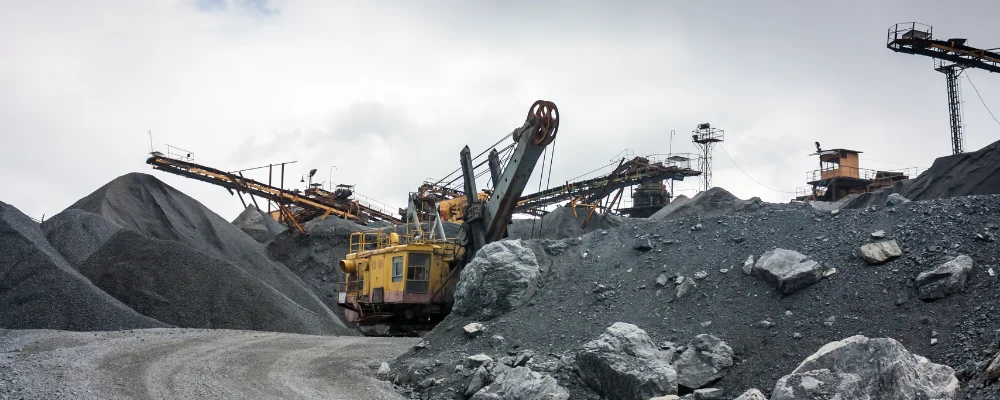
Following development, active extraction begins—the phase most people associate with mining. Extraction methods vary depending on the type of deposit and can include open-pit mining, underground mining, or, in some cases, placer and in-situ methods. Heavy machinery, drilling equipment, and blasting techniques are used to access and remove ore. Modern operations frequently incorporate automation, remote-controlled machines, and real-time monitoring systems to enhance productivity and safety. The extracted ore is then transported to the surface for processing.
After extraction, the processing and refining stage transforms raw ore into usable materials. Crushing, grinding, flotation, smelting, and chemical treatments are employed to separate valuable minerals from waste rock. The goal is to achieve a high-purity product suitable for industrial use in manufacturing, construction, electronics, and renewable energy technologies.
The mining journey concludes with mine closure and rehabilitation, a critical step ensuring environmental responsibility. Companies restore landforms, replant vegetation, manage long-term water quality, and repurpose former mining sites for future use—such as wildlife habitats, recreational areas, or industrial zones.
“From Exploration to Extraction” reveals that mining is far more than digging into the earth; it is a complex, structured process driven by science, engineering, and sustainable practices. Each phase plays a vital role in ensuring that the minerals we rely on are produced efficiently, safely, and responsibly.