
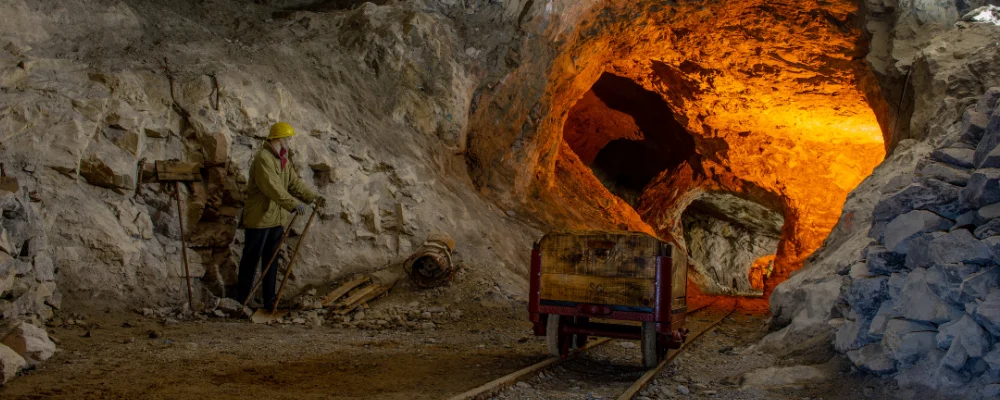
The mining industry is experiencing a powerful transformation, driven by the urgent need to protect the planet while still meeting the world’s growing demand for essential minerals. “Deep Beneath the Surface: Secrets of Sustainable Mining” explores how modern mining companies are adopting innovative strategies, advanced technologies, and environmentally responsible practices to create a cleaner, greener future for resource extraction. As society shifts toward renewable energy, electric vehicles, and digitized industries, sustainable mining is no longer optional—it is the standard that will define the industry’s next chapter.
At the heart of sustainable mining lies the challenge of balancing resource extraction with environmental preservation. Historically, mining has been associated with land degradation, pollution, and significant ecological impact. However, new sustainability-driven approaches are turning this narrative around. One of the most important shifts is the adoption of renewable energy to power mining sites. Solar farms, wind turbines, and even geothermal systems are being integrated into operations, significantly reducing carbon footprints. Some major mines are moving toward fully electric fleets, replacing diesel-powered machines with battery-electric equipment that produces zero on-site emissions and operates more quietly, benefiting both workers and surrounding wildlife.
Another key secret behind sustainable mining is the advancement of water-efficient technologies. Water scarcity is a growing global concern, and mining operations often require large volumes of water for processing minerals. To address this, companies are adopting water-recycling systems, filtration innovations, and even completely waterless ore-processing techniques. These solutions not only reduce environmental impact but also cut operational costs and ensure more responsible use of precious natural resources.
Waste reduction is equally crucial in sustainable mining. Traditional mining processes generate significant waste materials, known as tailings, which can pose environmental risks if not properly managed. Today, modern mines are leveraging dry-stack tailings, improved waste containment systems, and innovative recycling protocols to minimize risks and repurpose leftover materials. In some cases, mine waste is being transformed into usable construction materials, road aggregates, or even sources of secondary metals—turning what was once discarded into a valuable asset.
Furthermore, digital technologies are playing a major role in shaping a more sustainable mining future. Artificial intelligence, remote sensing, and real-time data systems allow mining companies to optimize operations while minimizing environmental disturbance. AI-driven models can predict geological formations with greater accuracy, reducing unnecessary excavation, while drone technology helps monitor land impacts, track vegetation changes, and improve site rehabilitation efforts. Through precision mining, companies extract only what is necessary, lowering both energy usage and waste.
Sustainable mining also places emphasis on community engagement and social responsibility. Successful mines of the future will work closely with local communities, ensuring fair labor practices, contributing to economic development, and restoring mined lands through reforestation, biodiversity programs, and land repurposing initiatives.
“Deep Beneath the Surface: Secrets of Sustainable Mining” reveals how the industry is embracing a new era—one defined by innovation, responsibility, and long-term thinking. Through eco-friendly technologies, improved resource management, and ethical practices, sustainable mining is proving that progress and environmental protection can go hand in hand. The future of mining depends not only on what lies beneath the surface, but on how wisely and responsibly we choose to uncover it.